More than a quiz
Learn history by connecting people, places, time and faces
One shared historical database powers three different challenges. The goal is not just to recognise a name, but to connect each person to where and when they lived — and to recognise the images that made them familiar.
Geography
See where a life unfolded
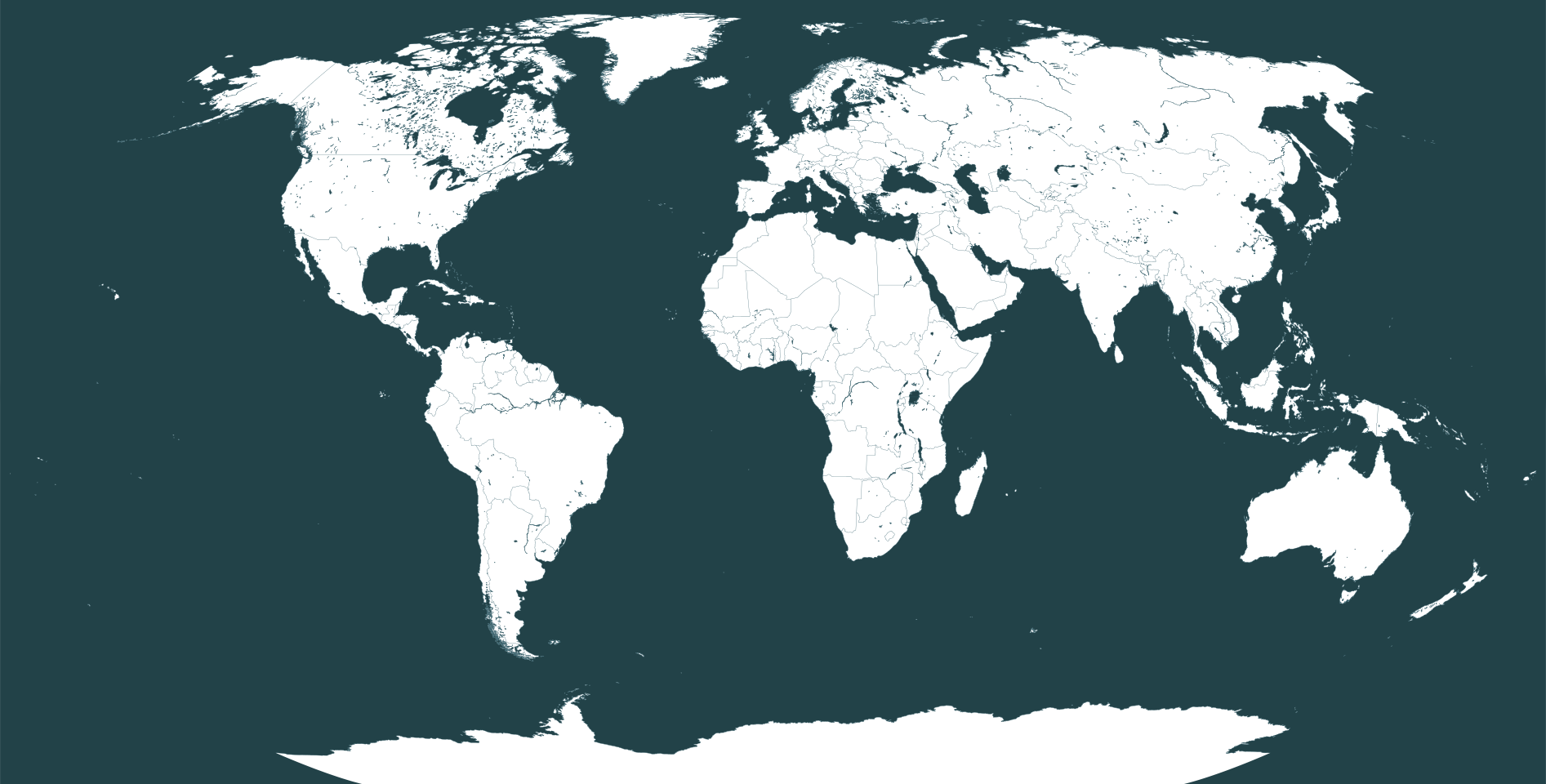
Life & Death Map turns birthplace and place of death into visual clues. It encourages you to associate historical figures with the geography of their lives instead of learning dates in isolation.
Explore Life & Death Map →
Chronology
Build a timeline from memory
Timeline asks you to place people in chronological order. Every correct placement becomes a new reference point, so the challenge gradually builds a mental picture of which lives overlapped.
Explore Timeline →
Recognition
Put faces to historical names
Portrait begins with the image alone. Optional clues can reveal life years, occupations or places, allowing you to decide how much information you need before making a guess.
Explore Portrait →